ShaGha
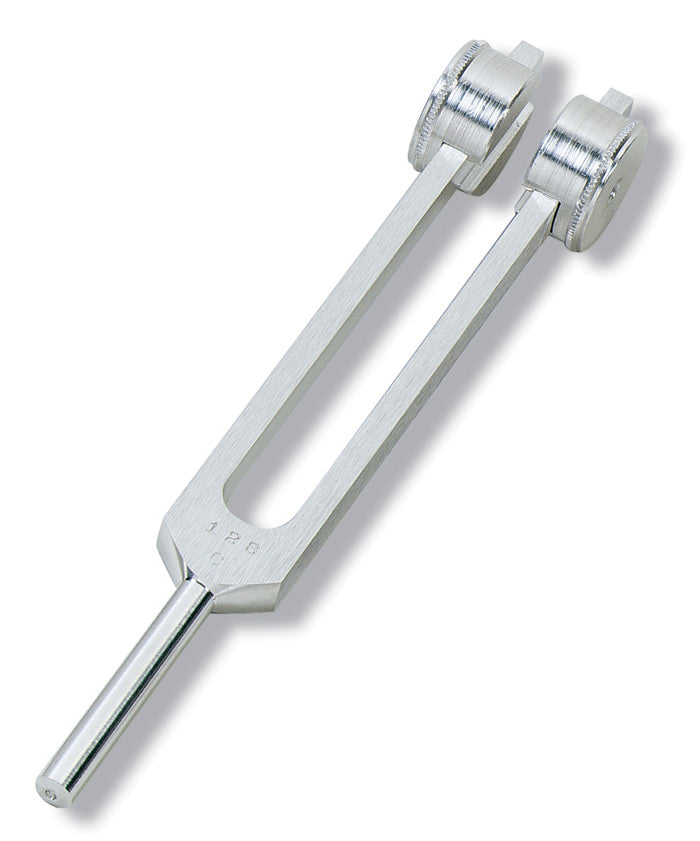
Tuning Fork, Diagnostic Instrument
Tuning Fork, Diagnostic Instrument
SKU: SG-C-1024
Couldn't load pickup availability
Description
Description
Tuning Forks – Medical & Surgical Diagnostic Instruments
Medical tuning forks are precision diagnostic instruments designed to produce a consistent vibration at a specific frequency. Commonly used in neurological, audiological, orthopedic, and general physical examinations, tuning forks help healthcare professionals assess hearing function, bone conduction, vibration sensation, and peripheral neurological response.
Suitable for physicians, nurses, neurologists, audiologists, ENT professionals, physiotherapists, medical students, nursing students, and other healthcare professionals, tuning forks provide a simple, portable, and non-invasive method of performing important bedside and clinical assessments.
Purpose of a Medical Tuning Fork
The primary purpose of a diagnostic tuning fork is to generate a controlled vibration that can be used to evaluate a patient's response to sound or vibration.
Common clinical applications include:
-
Hearing Assessment: Helps evaluate hearing and differentiate between conductive and sensorineural hearing loss.
-
Rinne Test: Compares air conduction with bone conduction during a hearing examination.
-
Weber Test: Helps identify lateralization of sound and provides information useful in assessing unilateral hearing abnormalities.
-
Bone Conduction Testing: Transmits vibration through bone to assist with basic auditory assessment.
-
Neurological Examination: Helps evaluate a patient's ability to perceive vibration, particularly during peripheral sensory examinations.
-
Peripheral Neuropathy Screening: May be used as part of a sensory assessment of the feet and extremities, depending on the tuning fork frequency and clinical protocol.
-
Musculoskeletal Assessment: May support selected orthopedic and physical examinations when clinically appropriate.
-
Clinical Education: An essential teaching and examination instrument for students learning neurological and auditory assessment techniques.
Key Benefits
Reliable Diagnostic Support
Produces a clear, consistent vibration to support standardized physical and neurological examination techniques.
Non-Invasive Assessment
Allows clinicians to evaluate hearing and vibration sensation without invasive procedures.
Portable & Convenient
Compact and lightweight for use in hospitals, medical clinics, educational laboratories, examination rooms, and mobile healthcare environments.
Multiple Clinical Applications
One instrument can support hearing tests, neurological examinations, vibration-sensation testing, and clinical skills training.
Ideal for Healthcare Education
Useful for medical and nursing students practicing physical assessment, neurological examination, Rinne testing, Weber testing, and other clinical skills.
Common Tuning Fork Frequencies
Different frequencies may be selected according to the intended examination:
128 Hz – Commonly used for vibration-sensation and neurological examinations, including assessment of peripheral sensory function.
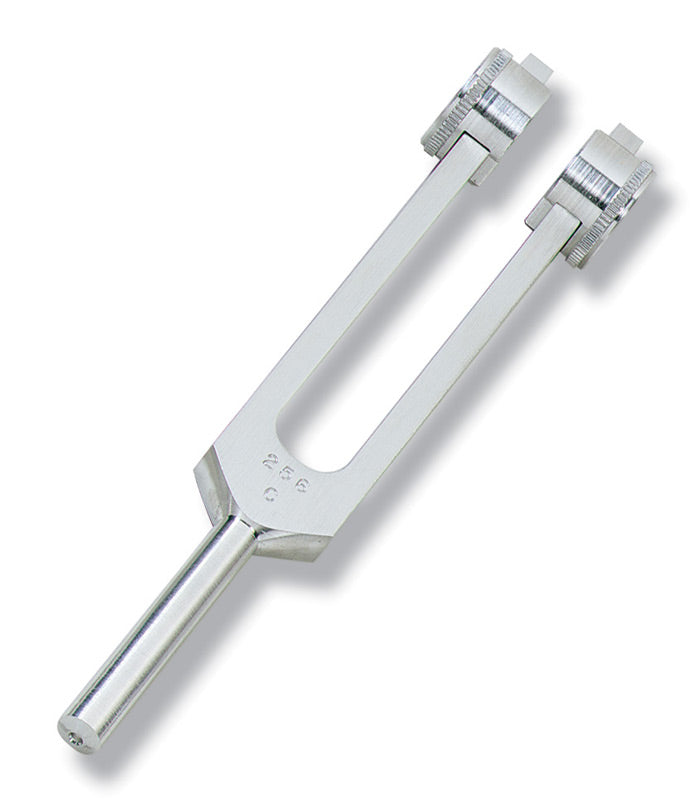
256 Hz – May be used for selected vibration and hearing assessments.
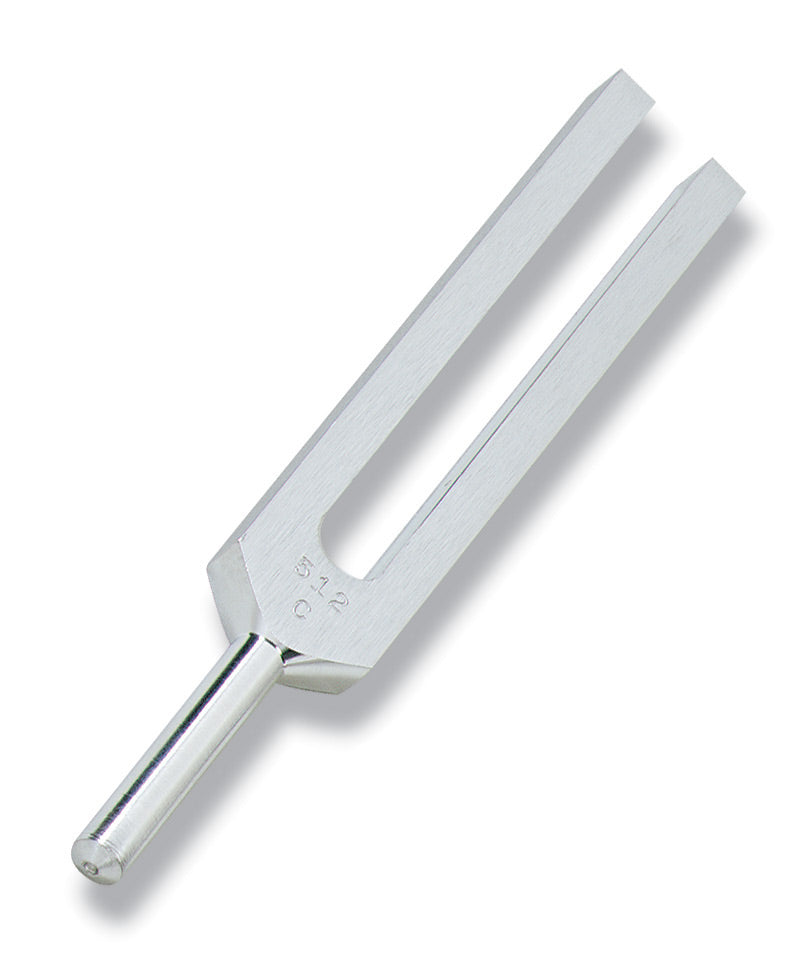
512 Hz – One of the most commonly used frequencies for Rinne and Weber hearing tests because it provides an appropriate balance between vibration duration and audible tone.
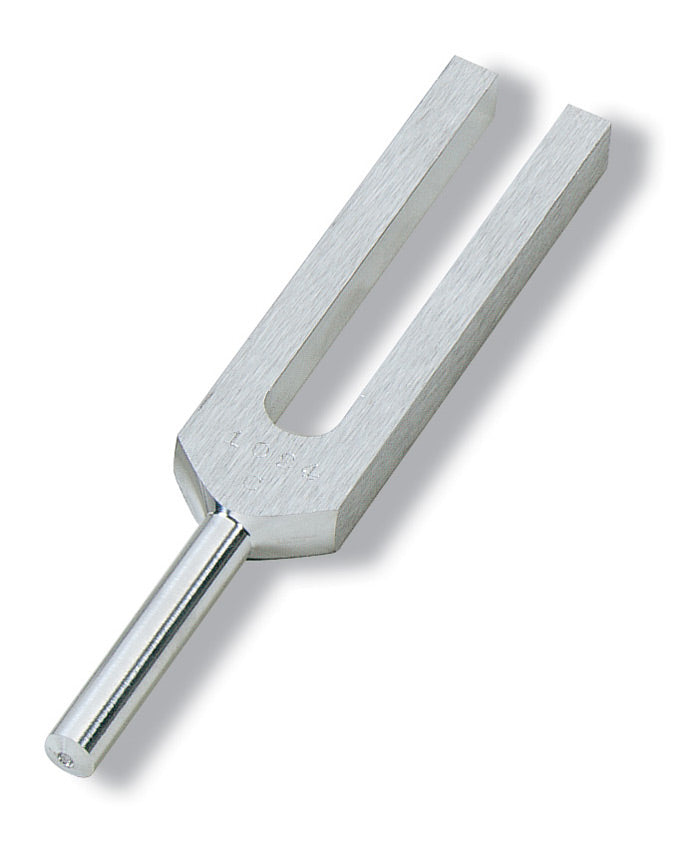
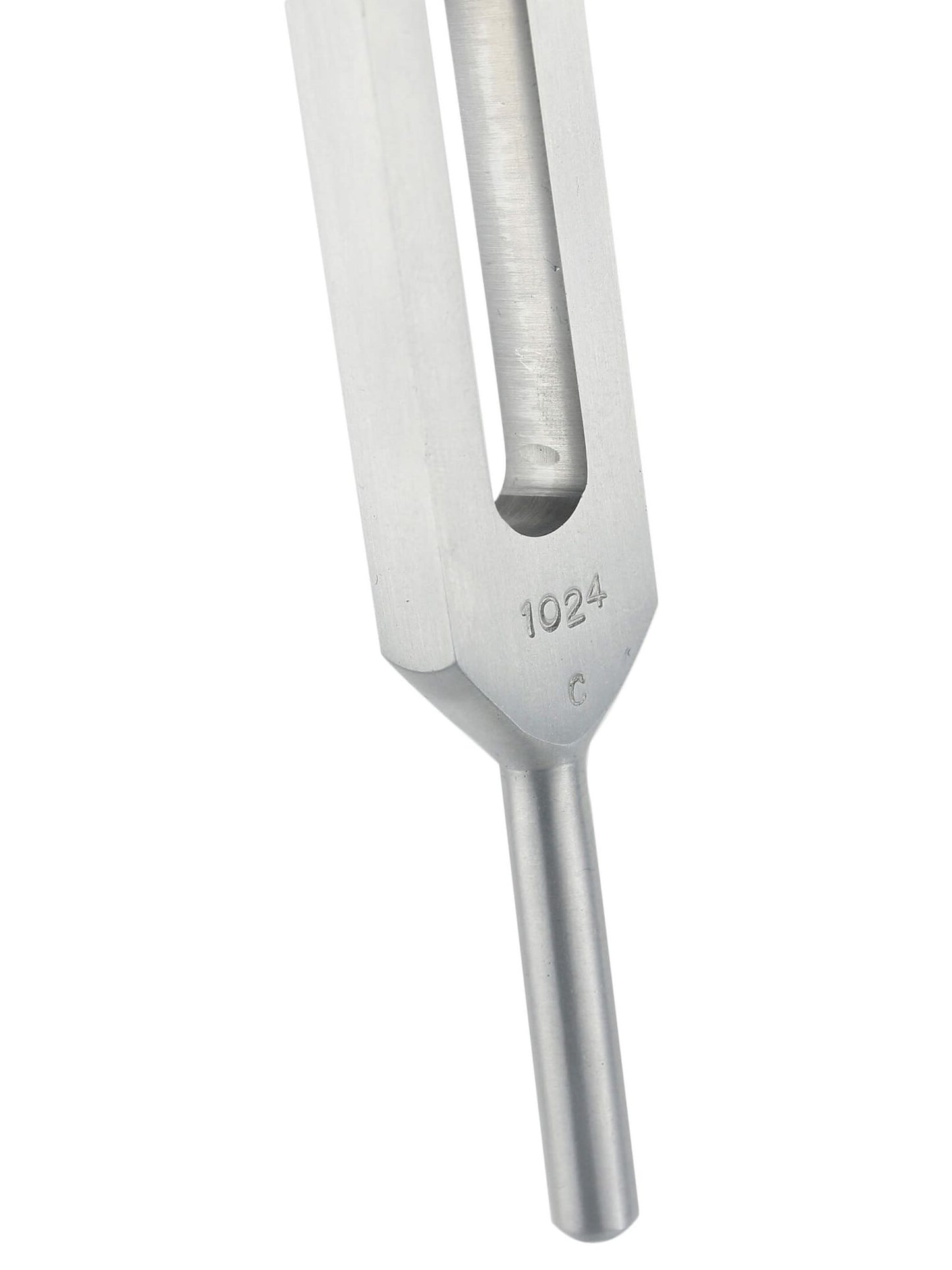
1024 Hz and higher frequencies – May be used for specialized auditory or clinical assessments depending on professional requirements.
How Is a Medical Tuning Fork Used?
The clinician activates the tuning fork by gently striking it against an appropriate resilient surface according to the instrument manufacturer's instructions. Depending on the examination, the vibrating fork may then be positioned near the patient's ear or its base placed against an appropriate bony landmark.
For hearing assessment, Rinne and Weber tests can help healthcare professionals compare air and bone conduction or assess sound lateralization. For neurological assessment, a lower-frequency tuning fork such as 128 Hz may be placed on an appropriate bony prominence to evaluate vibration perception.
Tuning-fork findings should always be interpreted together with the patient's history, symptoms, physical examination, and other appropriate diagnostic testing.
Care, Cleaning & Maintenance
Proper care helps maintain the tuning fork's physical condition and vibration characteristics.
-
Clean the instrument before and after patient use according to your facility's infection-prevention protocol.
-
Follow the manufacturer's approved cleaning and disinfection instructions.
-
Avoid harsh chemicals, abrasive cleaners, or disinfectants that may damage the instrument unless specifically approved by the manufacturer.
-
Dry thoroughly after cleaning before storage.
-
Avoid dropping, bending, striking excessively, or otherwise damaging the fork, as deformation can affect its vibration characteristics.
-
Inspect periodically for cracks, corrosion, deformation, loose components, or other physical damage.
-
Store in a clean, dry location or protective case when not in use.
-
Follow the manufacturer's instructions regarding disinfection, sterilization, and reprocessing. Do not autoclave unless the specific tuning fork is explicitly identified as autoclavable.
Who Uses Medical Tuning Forks?
Medical and diagnostic tuning forks are commonly suitable for:
Doctors • Nurses • Neurologists • ENT Professionals • Audiologists • Physiotherapists • Primary Care Professionals • Medical Students • Nursing Students • Clinical Skills Laboratories • Hospitals • Medical Clinics • Educational Institutions
Frequently Asked Questions
What is a medical tuning fork used for?
A medical tuning fork produces a controlled vibration used in clinical examinations to assess hearing, bone conduction, sound lateralization, and vibration sensation.
Which tuning fork is commonly used for hearing tests?
A 512 Hz tuning fork is commonly used for bedside Rinne and Weber hearing assessments.
Which tuning fork is commonly used for neurological examinations?
A 128 Hz tuning fork is commonly used to assess vibration sensation as part of a neurological or peripheral sensory examination.
Can a tuning fork diagnose hearing loss?
Tuning-fork tests can provide useful screening and bedside assessment information, but they do not replace comprehensive audiometric testing or evaluation by an appropriately qualified healthcare professional.
Are medical tuning forks reusable?
Many medical tuning forks are reusable when properly cleaned, disinfected, inspected, and maintained according to the manufacturer's instructions and healthcare facility infection-control procedures.
Size Chart / Dimensions
Size Chart / Dimensions
Resources
Resources
 B2B Pricing - Signup
 Easy Return - Check our Policy
 Free Shipping - In GTA on Order over $199.99